
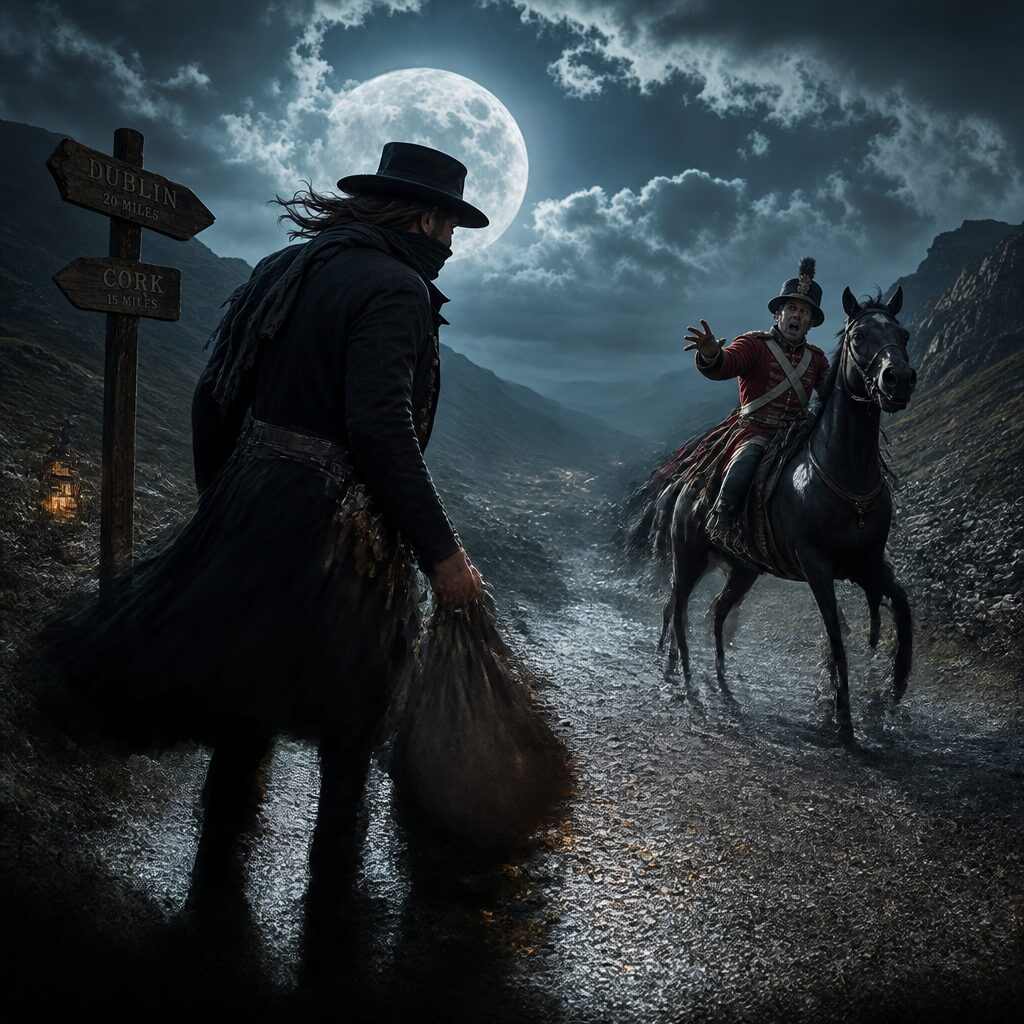
Few Irish songs have traveled as far or lasted as long as “Whiskey in the Jar.” Today it’s a staple of pub sessions, a favorite of touring folk musicians, and one of the most widely recorded traditional songs in the world. But behind its rousing chorus and foot‑stomping melody lies a history that stretches back centuries through rebellion, folklore, and the shifting identity of Ireland itself.
“Whiskey in the Jar” is a highwayman ballad, a genre that flourished in the 17th and 18th centuries. These songs told the stories of outlaws who robbed wealthy travelers, soldiers, or landlords. Back then, these were figures who, in the eyes of many Irish listeners, represented oppressive English authority. The highwayman became a folk hero: daring, clever, and defiant. His crimes were often framed as a kind of poetic justice.
Roots of “Whiskey in the Jar”
The earliest known versions of the song appear in the late 1600s, during a period of intense political upheaval in Ireland. Though the exact origins are lost to time, as is common with folk songs, the story structure is unmistakably tied to the oral tradition of the era. A highwayman ambushes a military officer, steals his gold, and returns home to celebrate with his lover. But the celebration is short‑lived: the woman betrays him, and he is captured or forced to flee. The common themes of betrayal, rebellion, and the price of freedom resonated deeply with Irish audiences.
The song’s setting shifts depending on the region. Some versions place the ambush on Gilgarra Mountain, others in Kerry, Cork, or Sligo. The officer is sometimes a captain, sometimes a colonel. The lover’s name changes too: Molly, Jenny, Ginny, or even Mary. These variations are a hallmark of true folk tradition: the song traveled from village to village, singer to singer, reshaping itself along the way.
“Whiskey in the Jar” Becomes a Standard
By the 19th century, “Whiskey in the Jar” had become a standard in the Irish ballad repertoire. It appeared in broadsides (cheap printed song sheets sold in markets) and was sung in both rural cottages and urban taverns. The melody we recognize today likely solidified during this period, though earlier versions may have been slower or more mournful.
The 20th century brought the song to a global audience. In the 1950s and 60s, the Irish folk revival sparked renewed interest in traditional ballads. Groups like The Dubliners and The Clancy Brothers recorded spirited versions that helped cement the song as a pub favorite. The Dubliners’ rendition, in particular, became iconic for its driving rhythm and raw vocal delivery, capturing the rebellious energy at the song’s core.
Thin Lizzy’s Version of “Whiskey in the Jar”
Then came the version that changed everything.
In 1972, the young Dublin rock band Thin Lizzy released their electrified take on “Whiskey in the Jar.” Phil Lynott’s soulful vocals and the band’s twin‑guitar arrangement transformed the old ballad into a rock anthem. It became a massive hit in Ireland and the UK, launching Thin Lizzy into international fame and introducing the song to an entirely new generation. Decades later, Metallica would record their own heavy metal version, earning a Grammy and proving that the song’s appeal transcends genre.
Despite its many interpretations, the heart of “Whiskey in the Jar” remains unchanged. It is a story about risk and consequence, about the thin line between heroism and folly, and about the human desire for freedom even when the cost is high. The whiskey in the jar is more than a celebratory drink; it is a symbol of fleeting triumph, of the moment before everything falls apart.
“Whiskey in the Jar” – A Fan Favorite
For musicians performing in Irish pubs today, the song carries a special kind of magic. It invites the crowd to sing along, to stomp their feet, to join in a tradition that stretches back hundreds of years. Whether played on a lone acoustic guitar or backed by a full band, it brings people together in the way only a true folk classic can.
At Charlton Bruce Traditional Irish Pub Shows, “Whiskey in the Jar” is a living piece of Irish history. Every time it’s sung, the highwayman rides again, the gold glitters in the moonlight, and the chorus echoes through time, connecting past and present in one rousing, unforgettable moment.
Share Your Thoughts!
What do you think? Share your thoughts in the comments below! Interested in booking Charlton Bruce? Click here for more information and a quote!
Blog
This section provides an overview of the blog, showcasing a variety of articles, insights, and resources to inform and inspire readers.
-
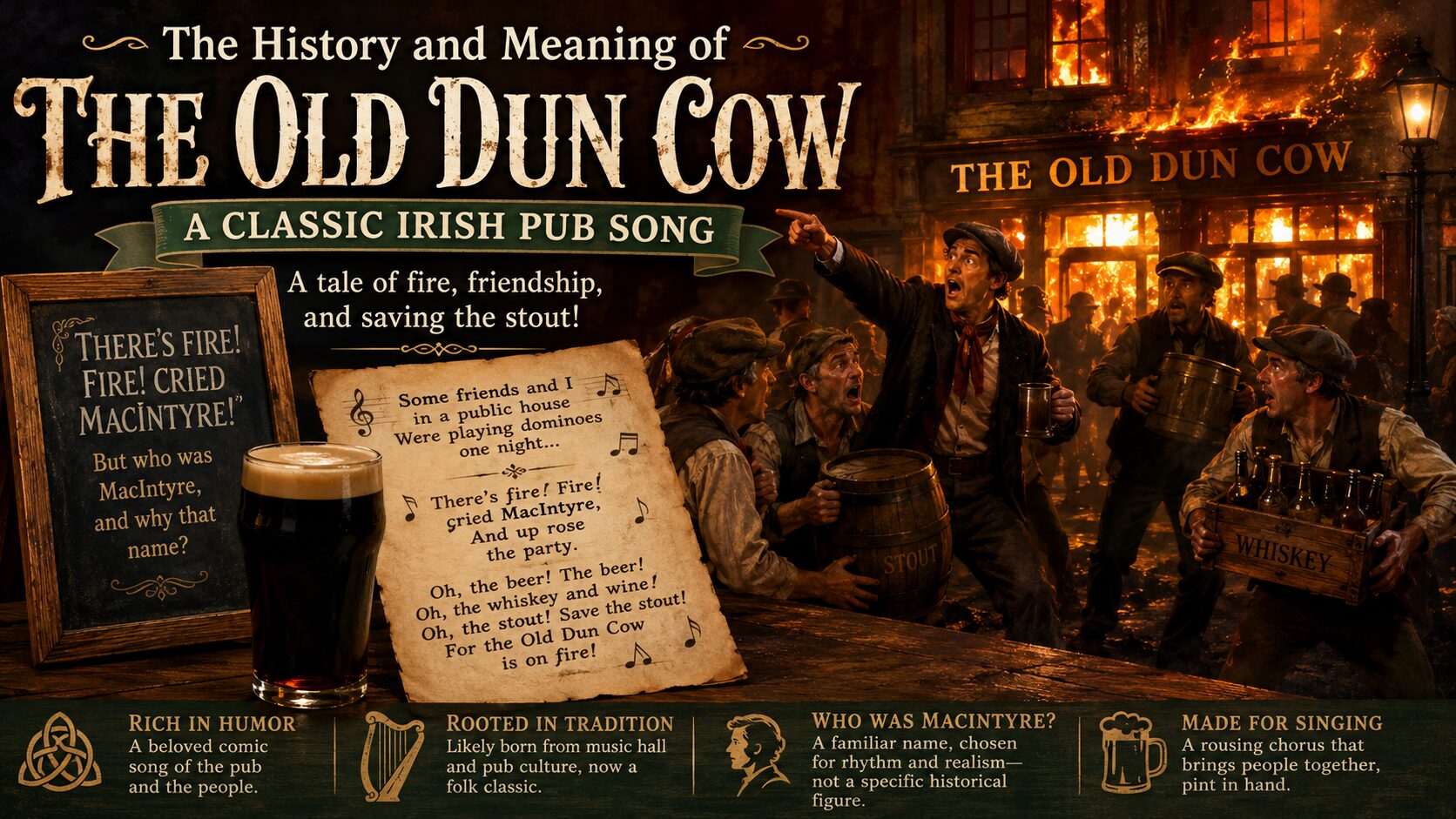
The “Old Dun Cow” Story, History, and Meaning
Few traditional drinking songs have survived with as much humor, chaos, and sing-along charm as…
-
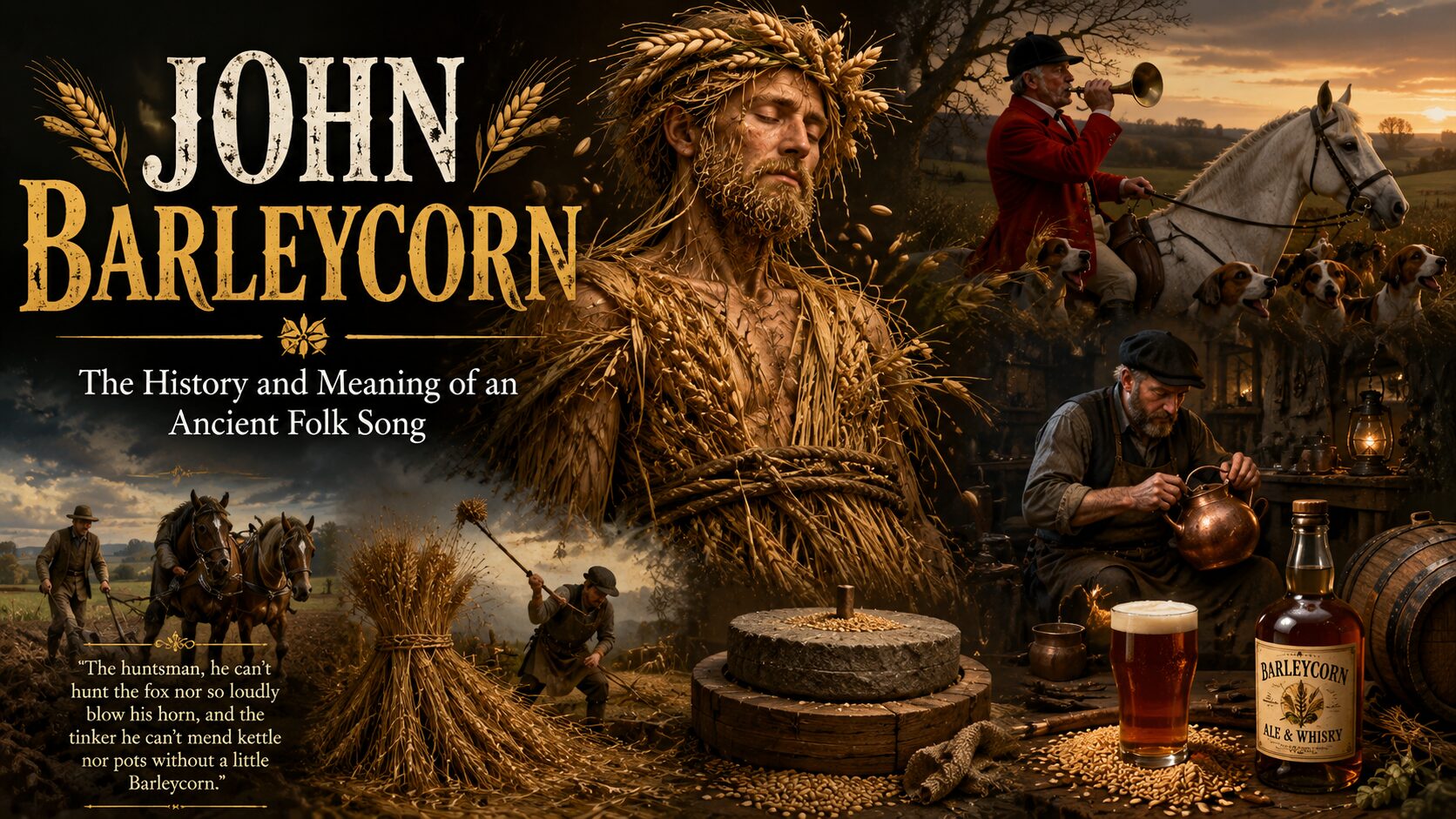
John Barleycorn: The History and Meaning Behind the Ancient Folk Song
Few traditional folk songs are as strange, haunting, and enduring as “John Barleycorn.” Passed down…
-
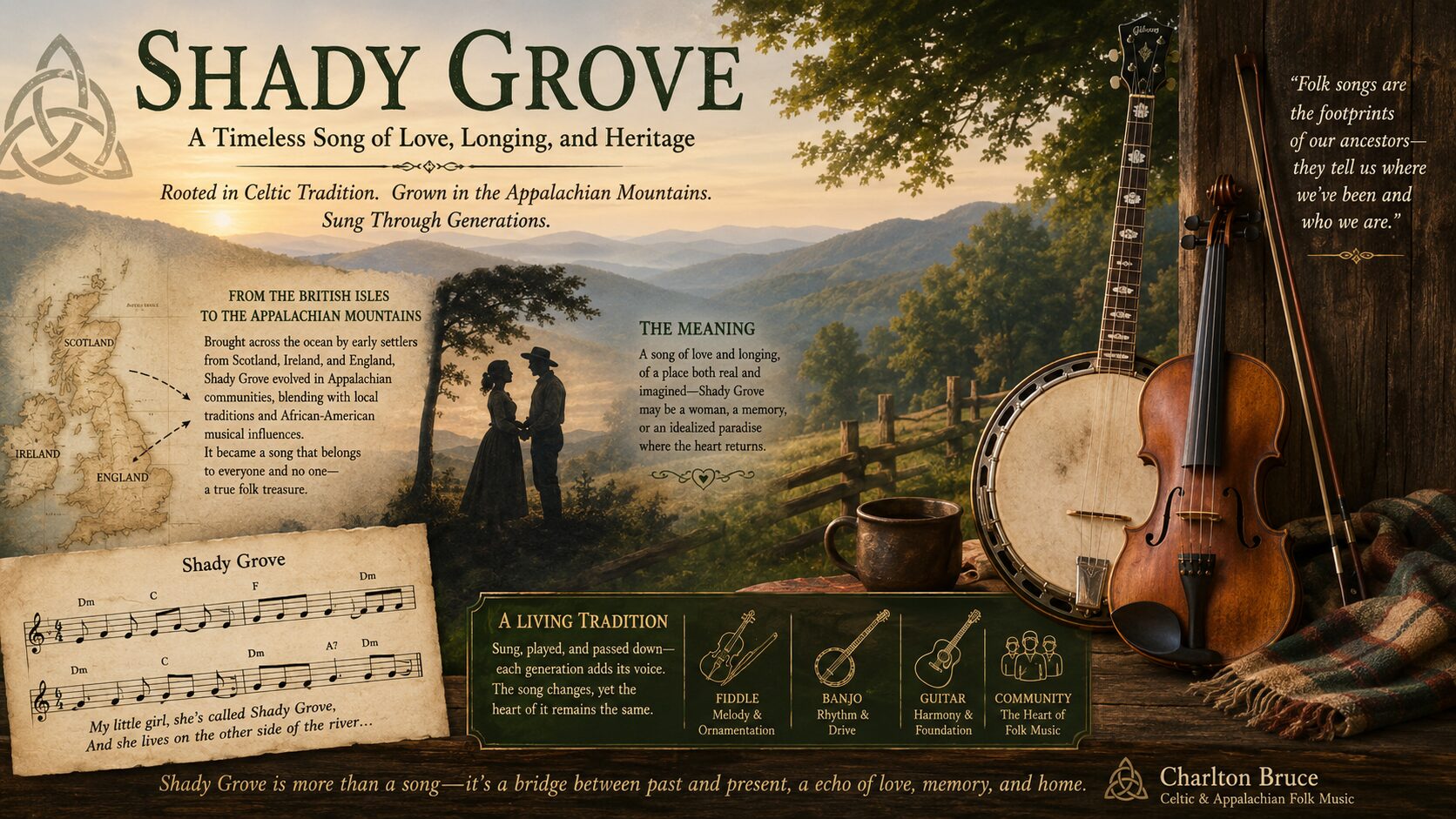
Shady Grove: A Folk Song Rooted in Celtic and Appalachian Tradition
The song “Shady Grove” stands as one of the most enduring and widely performed traditional…

