
Few traditional drinking songs have survived with as much humor, chaos, and sing-along charm as the classic Irish song “Old Dun Cow.” Whether performed in a crowded pub, at a folk festival, or around a late-night campfire, the Old Dun Cow remains one of the great comic ballads of Irish and British folk tradition. Beneath the laughter and exaggerated storytelling lies a fascinating glimpse into working-class pub culture, community identity, and the long tradition of humorous disaster songs.
The song is often known by its longer title, “The Old Dun Cow Caught Fire,” and it tells the tale of a pub burning down while its patrons react not with panic, but with desperate concern over saving the beer.
What Does “Old Dun Cow” Mean?
One thing that confuses listeners is that the “Old Dun Cow” is not actually a cow at all. In the song, the “Old Dun Cow” is the name of the pub itself.
The term “dun” refers to a dull grayish-brown color, often used historically to describe horses or cattle. Across Ireland, Scotland, and England, pubs commonly carried animal-themed names such as The Red Lion, The White Hart, or The Black Bull. “The Old Dun Cow” fits squarely into that old naming tradition.
The song opens dramatically:
“Some friends and I in a public house
Were playing dominoes one night…”
Soon afterward, someone smells smoke, and chaos erupts as the beloved tavern catches fire.
The comedy comes from the priorities of the drinkers. Instead of rushing to save themselves, they rush to save the whiskey, stout, and ale.
The Humor Behind the Song
The Old Dun Cow belongs to a long tradition of comic Irish and British pub songs where exaggerated behavior becomes the center of the joke. Folk music has always celebrated ordinary working people, and pub songs especially reflected the rough humor of miners, sailors, laborers, and farmers.
In this song, the patrons react almost heroically to the possibility of losing alcohol. One man carries out the whiskey, another rescues the stout, while others lament the destruction of beer barrels more than the burning building itself.
The song works because it turns disaster upside down. The expected emotional response to a fire becomes absurdly casual and alcohol-centered.
That dark humor resonates strongly with traditional folk audiences because it pokes fun at human nature and pub culture without becoming mean-spirited.
Was There a Real “Old Dun Cow” Pub?
There have been several real pubs named The Old Dun Cow across Britain and Ireland. One famous example existed in Worcestershire, England, while others appeared in Yorkshire and various industrial towns.
However, no definitive historical source proves the song refers to one particular tavern. Like many folk songs, it likely evolved from oral tradition, blending local stories, pub folklore, and comic exaggeration over time.
Some historians believe the song may have roots in English music hall traditions of the late nineteenth or early twentieth century. Music hall songs frequently featured comic storytelling, audience participation, and exaggerated working-class characters, all of which appear strongly in the Old Dun Cow.
Over time, Irish folk performers adopted and popularized the song, where it became permanently associated with pub singing traditions.
Why Did Someone Shout “MacIntyre” in the Old Dun Cow?
One of the most memorable moments comes when someone yells:
“There’s fire! Fire!” cried MacIntyre…”
Listeners often wonder whether “MacIntyre” refers to a specific historical figure or whether the name carries a deeper meaning.
Most evidence suggests that MacIntyre was chosen primarily because it was a familiar Scottish or Irish surname that fit the rhythm and rhyme of the song. Traditional folk songs frequently used recognizable surnames to make stories feel local and believable.
The surname itself comes from the Gaelic Mac an t-Saoir, meaning “son of the carpenter.” Variations include MacIntyre, McIntyre, and MacEntire.
There does not appear to be a documented historical “MacIntyre” connected to a real pub fire. Instead, the name likely served several purposes:
- It sounded authentic to audiences in Ireland and Scotland.
- It fit naturally into the meter of the song.
- It gave the story a colorful character whose warning launches the comic chaos.
In folk music, names are often chosen for sound and familiarity more than biography. Similar examples appear throughout traditional ballads, where ordinary surnames help listeners imagine the events happening in their own town or local pub.
Why the Old Dun Cow Endures
The Old Dun Cow survives because it captures something timeless about communal singing. It is funny, easy to remember, and built for audience participation.
Folk audiences love songs that invite shouting, laughter, and dramatic storytelling, and this song delivers all three. The repeated choruses practically demand group singing, especially after a few drinks.
The song also preserves an important part of Celtic and British folk culture: the public house as a social center. For generations, pubs were not simply places to drink. They were gathering spaces where music, storytelling, politics, arguments, and friendships flourished.
Songs like the Old Dun Cow celebrate that atmosphere while affectionately mocking the excesses that sometimes came with it.
Folk Revival Performances
The song gained renewed popularity during the twentieth-century folk revival. Irish folk groups, pub singers, and festival performers embraced it because audiences immediately connected with its humor and singable chorus.
Performers often stretch the storytelling theatrically, emphasizing the panic, shouting, and absurd devotion to saving alcohol before anything else. The exaggerated delivery is part of the charm.
For musicians like Charlton Bruce, songs such as the Old Dun Cow represent the enduring power of traditional folk music to unite audiences through shared laughter and storytelling.
More than a century after its origins, the song still fills pubs and folk venues with roaring choruses and smiling faces.
Share Your Thoughts!
What do you think? Share your thoughts in the comments below! Interested in booking Charlton Bruce? Click here for more information and a quote!
Blog
This section provides an overview of the blog, showcasing a variety of articles, insights, and resources to inform and inspire readers.
-
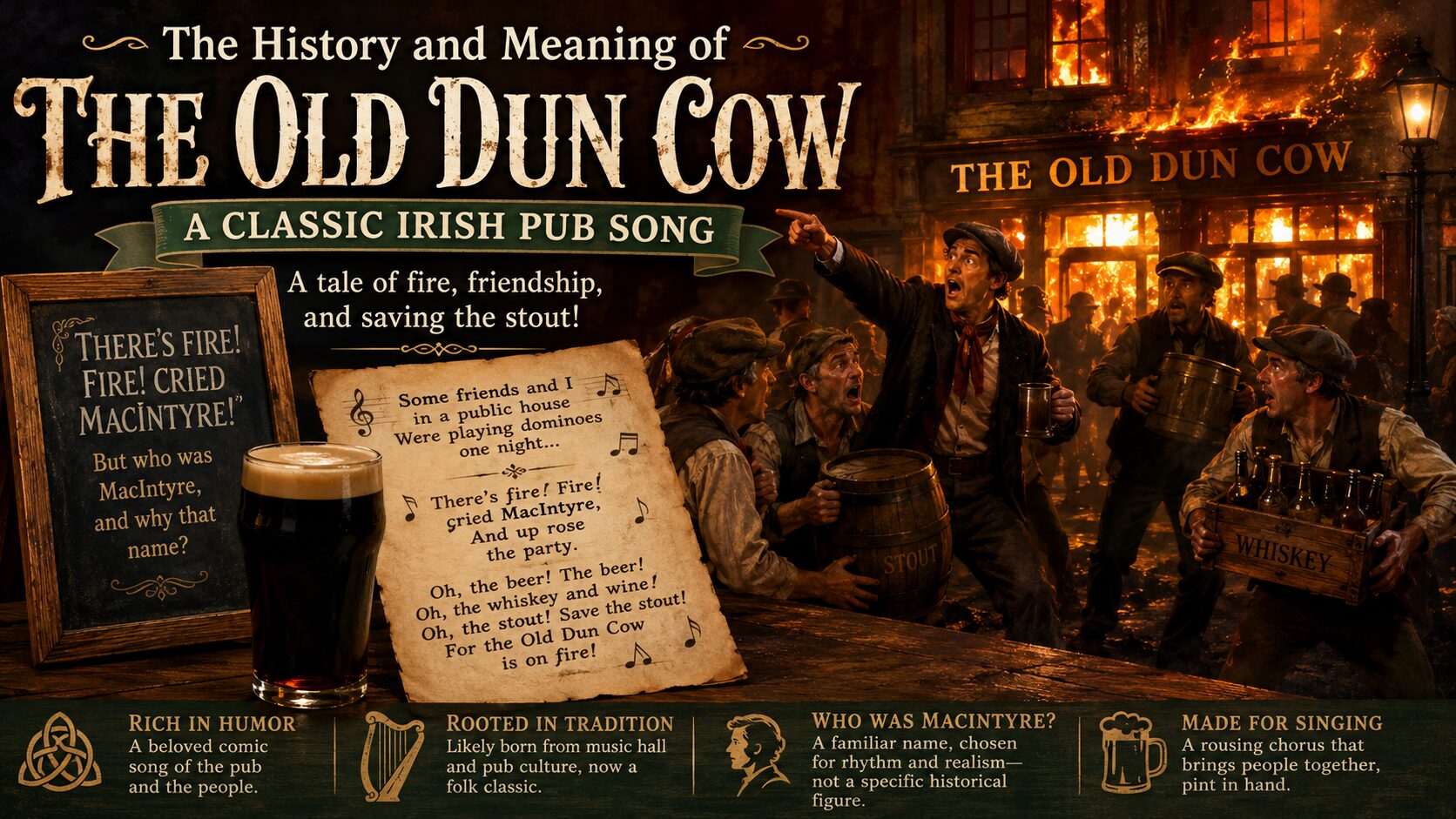
The “Old Dun Cow” Story, History, and Meaning
Few traditional drinking songs have survived with as much humor, chaos, and sing-along charm as…
-
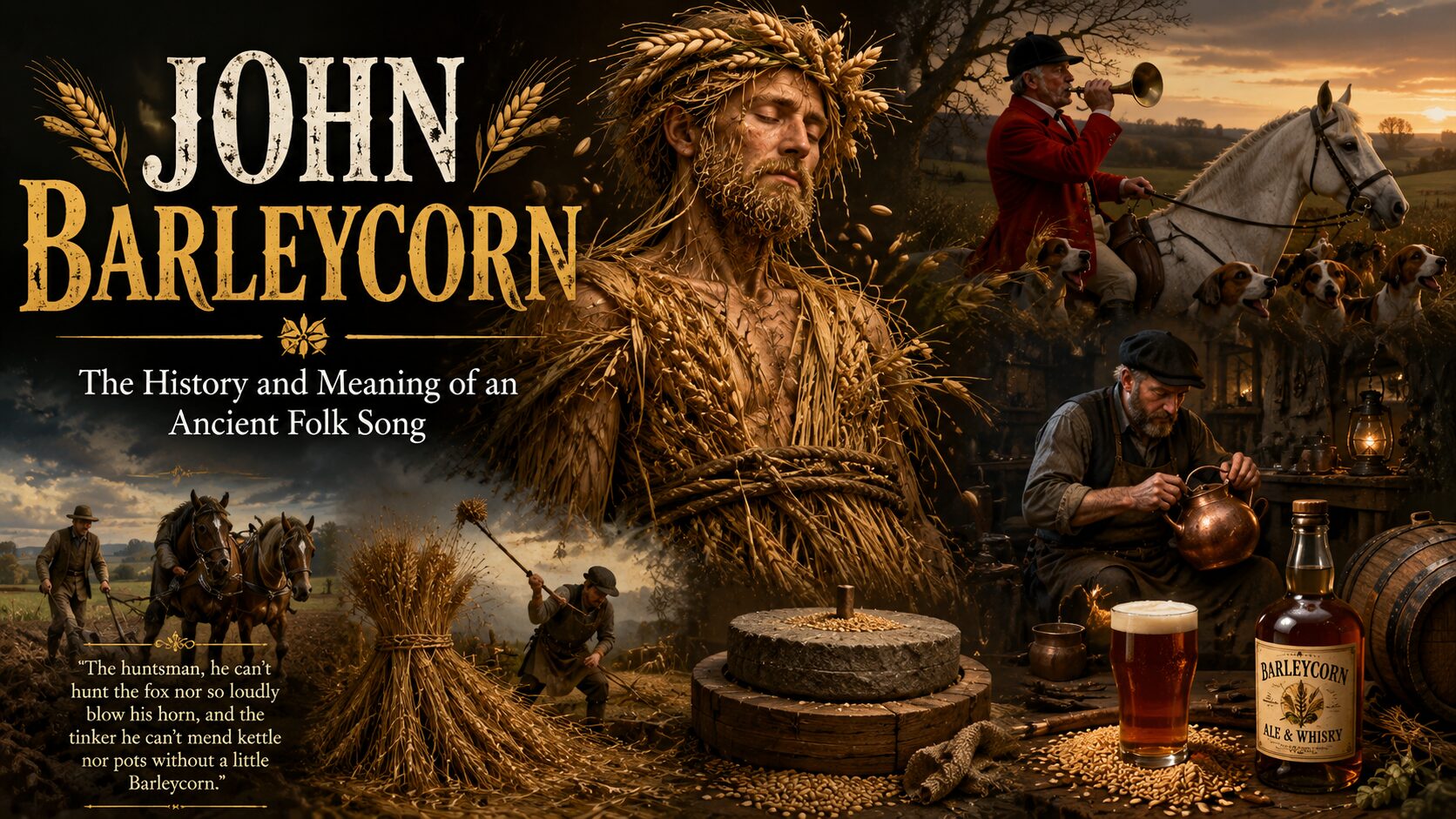
John Barleycorn: The History and Meaning Behind the Ancient Folk Song
Few traditional folk songs are as strange, haunting, and enduring as “John Barleycorn.” Passed down…
-
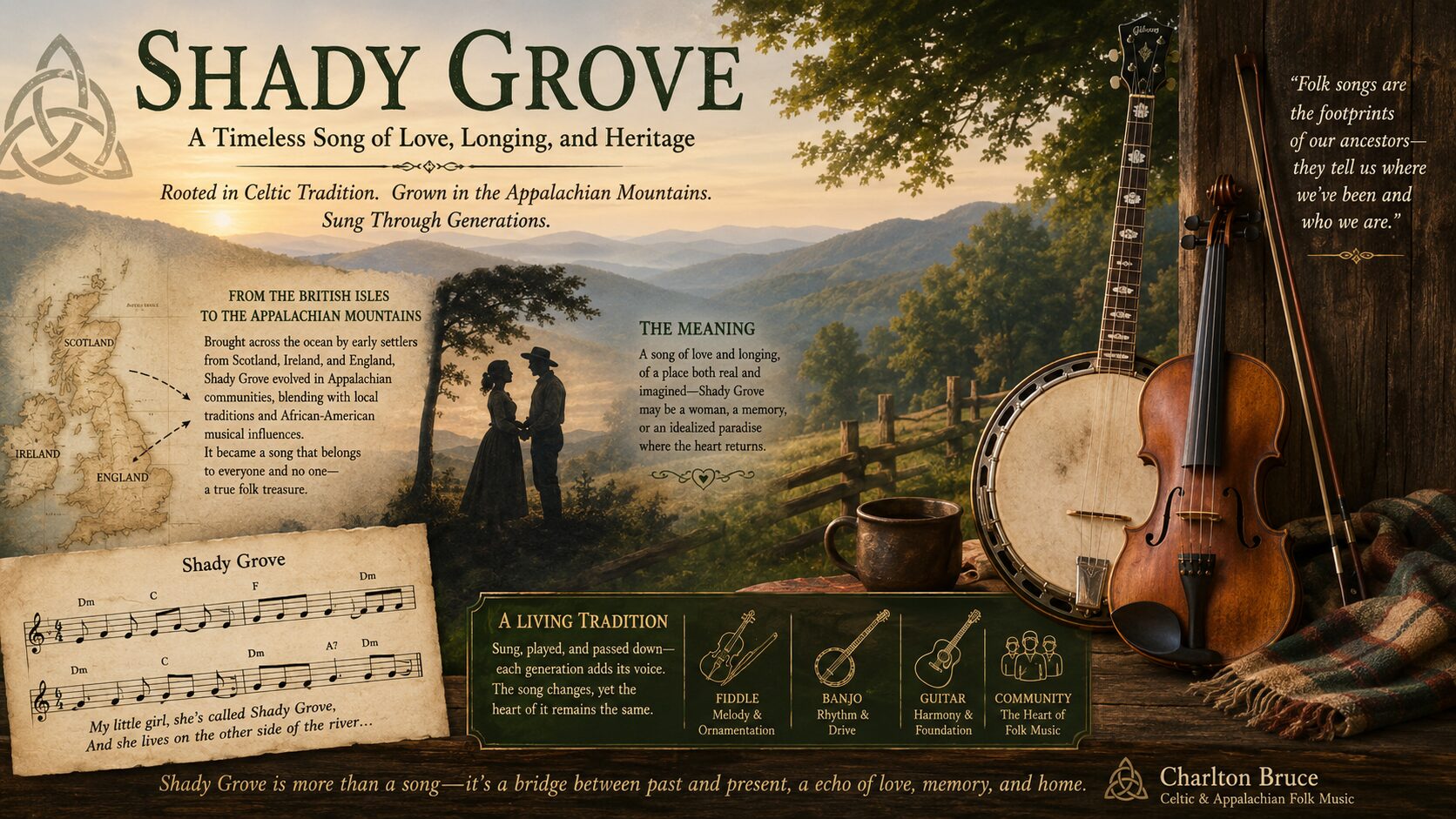
Shady Grove: A Folk Song Rooted in Celtic and Appalachian Tradition
The song “Shady Grove” stands as one of the most enduring and widely performed traditional…

