

- The Meaning Behind “The Parting Glass”
- Why “The Parting Glass” Became So Important in Irish Folk Music
- The Folk Revival and Modern Popularity
- The Emotional Atmosphere of “The Parting Glass”
- The Parting Glass in Irish Pub Tradition
- Why “The Parting Glass” Still Endures
- The Parting Glass Lyrics
- Share Your Thoughts!
- Blog
Few songs capture the emotional spirit of Irish and Scottish folk tradition as powerfully as “The Parting Glass.” Gentle, reflective, and deeply human, the song has become one of the most recognized farewell ballads in the Celtic musical world. Often sung at the close of gatherings, pub sessions, concerts, and celebrations, “The Parting Glass” carries an atmosphere of gratitude, memory, and bittersweet parting that resonates across generations.
Although many people associate the song primarily with Ireland today, the history of “The Parting Glass” stretches across both Irish and Scottish traditions. The earliest known printed versions appeared in Scotland during the seventeenth century, particularly in collections of traditional poetry and song. One of the earliest known comes from the Skene Manuscript. Over time, however, the song became deeply woven into Irish folk culture, where it eventually gained even greater popularity than in its Scottish homeland.
The title itself refers to the final drink shared before departure. In older Celtic traditions, a “parting glass” was the final cup offered to guests before they left a home or gathering place. The gesture symbolized hospitality, friendship, and respect. In this sense, the song itself becomes a musical farewell toast.
Unlike many traditional ballads centered on tragedy or historical conflict, “The Parting Glass” is personal and reflective. Its emotional power comes not from dramatic storytelling, but from sincerity and universal human experience.
The Meaning Behind “The Parting Glass”
At its heart, “The Parting Glass” is a song about gratitude, memory, and acceptance. The narrator reflects upon friendships, pleasures, mistakes, and the passing of time before preparing to leave companions behind. The tone is emotional but dignified, carrying warmth rather than despair.
One reason the song resonates so deeply is that it speaks to experiences everyone eventually encounters: endings, transitions, departures, and remembrance. Whether interpreted as the end of an evening, the end of a chapter in life, or even a meditation on mortality itself, the song allows listeners to reflect on the relationships and moments that define human experience.
The lyrics acknowledge both joy and regret without becoming overly sentimental. The narrator recognizes mistakes made along the way but does not dwell on guilt. Instead, the song emphasizes appreciation for companionship and shared experience.
This balance gives “The Parting Glass” extraordinary emotional depth. It feels honest because it accepts that life contains both celebration and sorrow simultaneously.
Why “The Parting Glass” Became So Important in Irish Folk Music
Over time, “The Parting Glass” evolved into one of the defining songs of Irish folk performance. It became especially associated with the close of musical gatherings because its reflective mood creates a natural emotional conclusion.
In traditional Irish pub sessions, music is often communal rather than theatrical. Songs are shared experiences meant to bring people together. “The Parting Glass” embodies that spirit perfectly because it transforms farewell into collective reflection rather than loneliness.
As audiences sing together, the song creates a powerful atmosphere of connection. Even strangers often join voices naturally in a chorus, which reinforces the communal nature of Irish folk music itself.
The song also became popular because of its adaptability. It can be performed softly and intimately with minimal accompaniment, or arranged with larger harmonies and orchestration for concert settings. Regardless of arrangement, however, the emotional core remains remarkably strong.
The Folk Revival and Modern Popularity
During the twentieth-century folk revival, “The Parting Glass” gained international recognition through performances by influential Irish and Celtic artists. Groups such as The Clancy Brothers and The Dubliners helped introduce the song to wider audiences, while later performers continued to reinterpret it for new generations.
One of the most influential modern recordings came from The High Kings, whose version introduced the song to many contemporary listeners. The Wailin’ Jennys also created a highly respected arrangement that emphasized vocal harmony and emotional subtlety.
Part of the song’s enduring popularity comes from its universality. Although deeply rooted in Celtic tradition, its themes transcend cultural boundaries. Anyone who has experienced friendship, departure, or nostalgia can connect with its message.
In recent years, “The Parting Glass” has also appeared in films, television series, memorial gatherings, and public ceremonies, further strengthening its reputation as a timeless farewell song.
The Emotional Atmosphere of “The Parting Glass”
Unlike lively pub songs centered on drinking or humor, “The Parting Glass” creates a quieter emotional space. It encourages listeners to slow down and reflect rather than celebrate loudly.
This reflective quality is central to its lasting impact. The melody moves gently, allowing singers to emphasize phrasing and emotional nuance rather than technical performance. Silence between verses often becomes as important as the lyrics themselves.
In live settings, the atmosphere during “The Parting Glass” can feel almost sacred. Conversations soften, audiences become still, and communal singing takes on a deeply emotional quality. The song reminds listeners that music can create shared emotional experiences beyond entertainment alone.
The song’s emotional honesty is also what allows it to remain meaningful over centuries. It does not rely on trends, spectacle, or complexity. Instead, it speaks directly to enduring human emotions with simplicity and grace.
The Parting Glass in Irish Pub Tradition
Within Irish pub culture, “The Parting Glass” often serves as the final song of the night. This tradition reflects the song’s original role as a farewell toast shared among companions before parting ways.
When performed at the close of a session, the song creates a sense of closure and unity. After hours of lively reels, ballads, and sing-alongs, “The Parting Glass” brings everyone together in shared reflection.
Traditional instrumentation usually remains understated. Acoustic guitar, fiddle, tin whistle, and soft harmonies commonly accompany the melody without overpowering the vocals. The simplicity allows the lyrics and emotional atmosphere to remain central.
For audiences of the Charlton Bruce Irish Pub Music Show, “The Parting Glass” represents the heart of Celtic musical tradition: storytelling rooted in human connection, memory, and shared experience. I often close with this song.
Why “The Parting Glass” Still Endures
The enduring power of “The Parting Glass” lies in its ability to express universal emotions with remarkable simplicity. It speaks to gratitude without sentimentality, sadness without despair, and farewell without bitterness.
Generations continue singing the song because it captures something timeless about human relationships. Every gathering eventually ends, every journey changes, and every life contains moments of parting. Yet the song reminds listeners that endings can also hold beauty, warmth, and appreciation.
That emotional truth is what has carried “The Parting Glass” across centuries, oceans, and generations, ensuring its place as one of the most beloved songs in Irish folk music history.
The Parting Glass Lyrics
Scottish Traditional Ballad, curated in 1770, but older in origin
Traditional Parting Song
Of all the money ere I had, I spent it in good company,
And all the harm I’ve ever done, alas was to none but me.
And all I’ve done for want of wit, to memory now I can’t recall.
So fill me to the parting glass, goodnight and joy be with you all.
If I had money enough to spend and leisure time to sit awhile,
There is a fair maid in this town who sorely has my heart beguiled.
Her rosy cheeks and ruby lips, I own she has my heart in thrall.
So fill me to the parting glass – goodnight, and joy be with you all.
Of all the comrades ere I had, they’re sorry for my going away,
And all the sweethearts ere I had , they wish me one more day to stay,
But since it falls unto my lot that I should go and you should not,
I’ll gently rise and softly call, goodnight and joy be with you all.
Share Your Thoughts!
What do you think? Share your thoughts in the comments below! Interested in booking Charlton Bruce? Click here for more information and a quote!
Blog
This section provides an overview of the blog, showcasing a variety of articles, insights, and resources to inform and inspire readers.
-
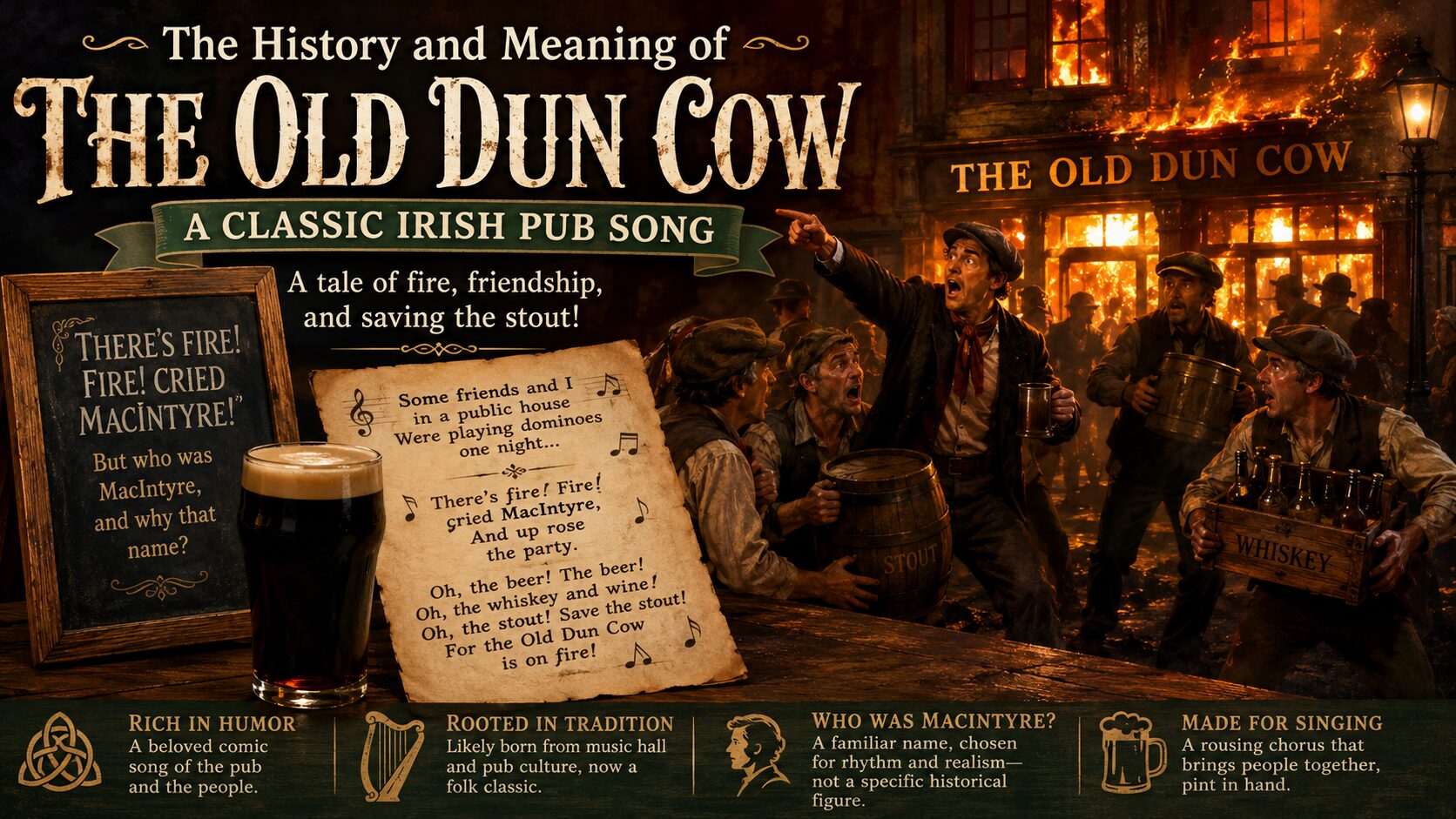
The “Old Dun Cow” Story, History, and Meaning
Few traditional drinking songs have survived with as much humor, chaos, and sing-along charm as…
-
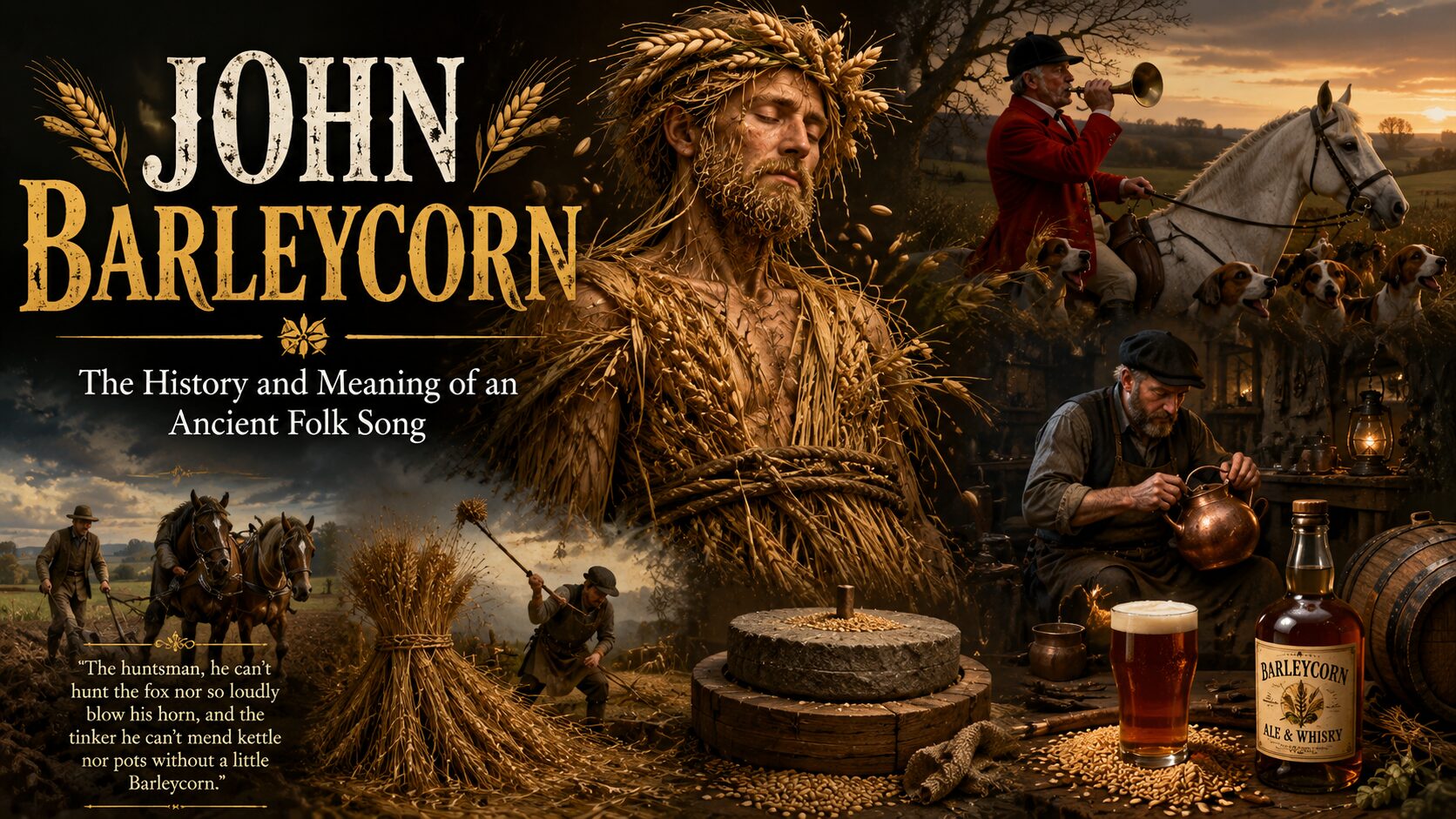
John Barleycorn: The History and Meaning Behind the Ancient Folk Song
Few traditional folk songs are as strange, haunting, and enduring as “John Barleycorn.” Passed down…
-
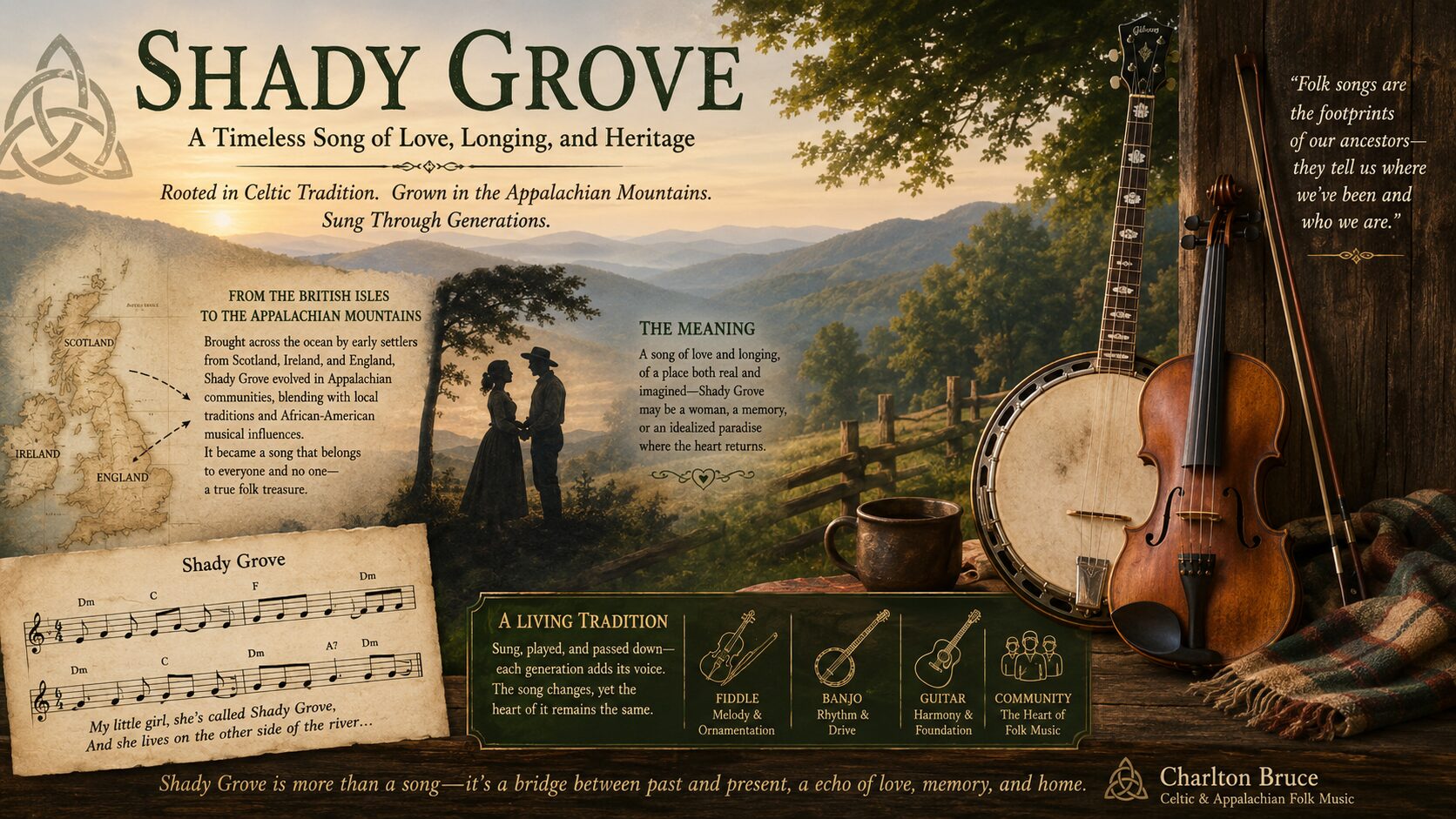
Shady Grove: A Folk Song Rooted in Celtic and Appalachian Tradition
The song “Shady Grove” stands as one of the most enduring and widely performed traditional…

