
Few traditional folk songs are as strange, haunting, and enduring as “John Barleycorn.” Passed down through generations across England, Scotland, and Ireland, the song tells the symbolic story of a man named John Barleycorn who is cut down, beaten, buried, crushed, and ultimately transformed into ale and whisky. Beneath the violent imagery lies one of the oldest agricultural myths in the British Isles: the yearly death and rebirth of the barley harvest.
For centuries, “John Barleycorn” has fascinated musicians, folklorists, and listeners alike. Artists from traditional singers to bands like Traffic and Jethro Tull have recorded versions of the song, keeping its ancient symbolism alive for modern audiences.
The Origins of John Barleycorn
The roots of “John Barleycorn” stretch back hundreds of years, possibly even to pre-Christian agricultural rituals. The earliest printed versions appeared in the 16th and 17th centuries, though the song itself was almost certainly older. In traditional farming societies, barley was not simply a crop. It was survival. Bread and ale formed the foundation of daily life for ordinary people throughout Britain and Ireland.
John Barleycorn personifies the barley plant itself. In the song, he is treated almost like a sacrificial king. Farmers cut him down at harvest, bury him in the earth, thresh him, grind him, and brew him into alcohol. His suffering becomes the source of nourishment, comfort, celebration, and intoxication.
The song reflects the ancient cycle of nature: death gives way to rebirth. The barley seed must “die” in the ground before new grain can grow again in the spring. This theme appears in myths and religions all over the world, but “John Barleycorn” preserves it in the language of ordinary working people.
Why Is John Barleycorn Treated So Violently?
Modern listeners are often surprised by the brutal imagery in the song. John Barleycorn is stabbed, cut, rolled over, and crushed. Yet every stage mirrors the real agricultural processing of barley.
When the song says they “ploughed, harrowed, and sowed him in,” it reflects planting the crop. When he is “cut down by the knee,” that symbolizes harvesting with a sickle. The threshing, grinding, and brewing process becomes personified as torture and execution.
To earlier generations, this imagery would have made perfect sense. The song dramatized the mystery of how simple grain became strong drink capable of changing human emotions and behavior. Barley was transformed through suffering into something powerful.
Why the Huntsman Can’t Blow Without a Bit of Barleycorn
One of the most memorable lines in many versions says:
“The huntsman, he can’t hunt the fox
Nor so loudly blow his horn
And the tinker he can’t mend kettle nor pots
Without a little Barleycorn.”
This lyric speaks to the role alcohol once played in everyday life. Ale and whisky were woven deeply into working-class culture across Britain and Ireland. Drinking was associated with warmth, stamina, courage, sociability, and relief from hard labor.
The “huntsman” blowing his horn refers to fox hunting traditions where riders and hunters gathered for long days outdoors in cold weather. A “bit of barleycorn,” meaning beer, ale, or whisky made from barley, was believed to warm the body and lift the spirits. The implication is that the huntsman lacks the energy, boldness, or cheer to perform his task without a drink.
Likewise, the “tinker” was a traveling repairman who mended pots, pans, and metal household goods. Tinkers were often associated in folk songs with wandering lifestyles, fairs, storytelling, and taverns. Saying the tinker “can’t mend” without barleycorn humorously suggests that alcohol fueled his labor, conversation, and endurance.
The song is not necessarily glorifying drunkenness so much as recognizing how deeply alcohol was embedded in social and economic life. Before modern medicine, refrigeration, or clean water systems, ale was often safer to drink than contaminated water supplies. Drinking establishments also served as gathering places where workers exchanged news, songs, and companionship.
John Barleycorn as a Symbol of Resilience
Part of the enduring power of “John Barleycorn” is that the character never truly dies. Though repeatedly attacked and destroyed, he always returns stronger than before in liquid form. Once brewed, he gains power over the very people who destroyed him. The song often describes how Barleycorn can make men laugh, cry, fight, sing, or fall asleep.
This transformation gives the song its strange mixture of humor, darkness, and triumph. John Barleycorn represents nature’s resilience and humanity’s dependence upon the harvest. He is sacrificed, but through sacrifice, he becomes indispensable.
That deeper symbolism may explain why the song has survived for centuries while countless other folk songs have disappeared. It connects listeners to agricultural traditions, seasonal cycles, labor, celebration, and the mysterious transformation of ordinary grain into something culturally powerful.
The Legacy of John Barleycorn
Today, “John Barleycorn” remains one of the great traditional folk ballads of the English-speaking world. Every generation interprets it differently. Some hear a drinking song. Others hear pagan symbolism, social history, or reflections on mortality and rebirth.
For folk musicians, the song offers rich imagery and unforgettable storytelling. Its themes still resonate because they speak to endurance, transformation, hardship, and renewal. These are all universal experiences that remain as relevant now as they were centuries ago.
Whether performed as a solemn ballad or a lively pub tune, “John Barleycorn” continues to remind listeners that old folk songs often carry far deeper meanings than first appear on the surface.
Share Your Thoughts!
What do you think? Share your thoughts in the comments below! Interested in booking Charlton Bruce? Click here for more information and a quote!
Blog
This section provides an overview of the blog, showcasing a variety of articles, insights, and resources to inform and inspire readers.
-
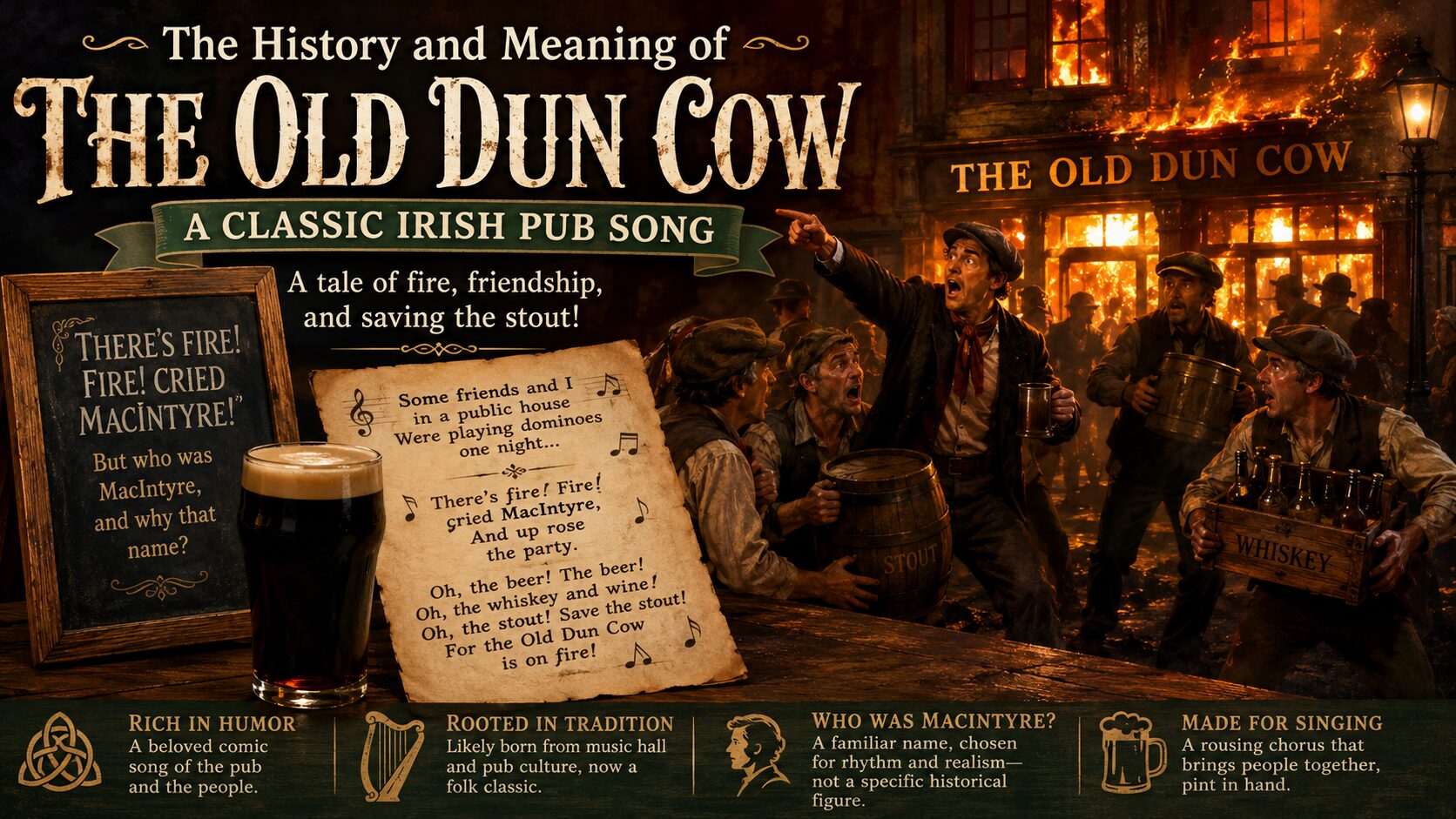
The “Old Dun Cow” Story, History, and Meaning
Few traditional drinking songs have survived with as much humor, chaos, and sing-along charm as…
-
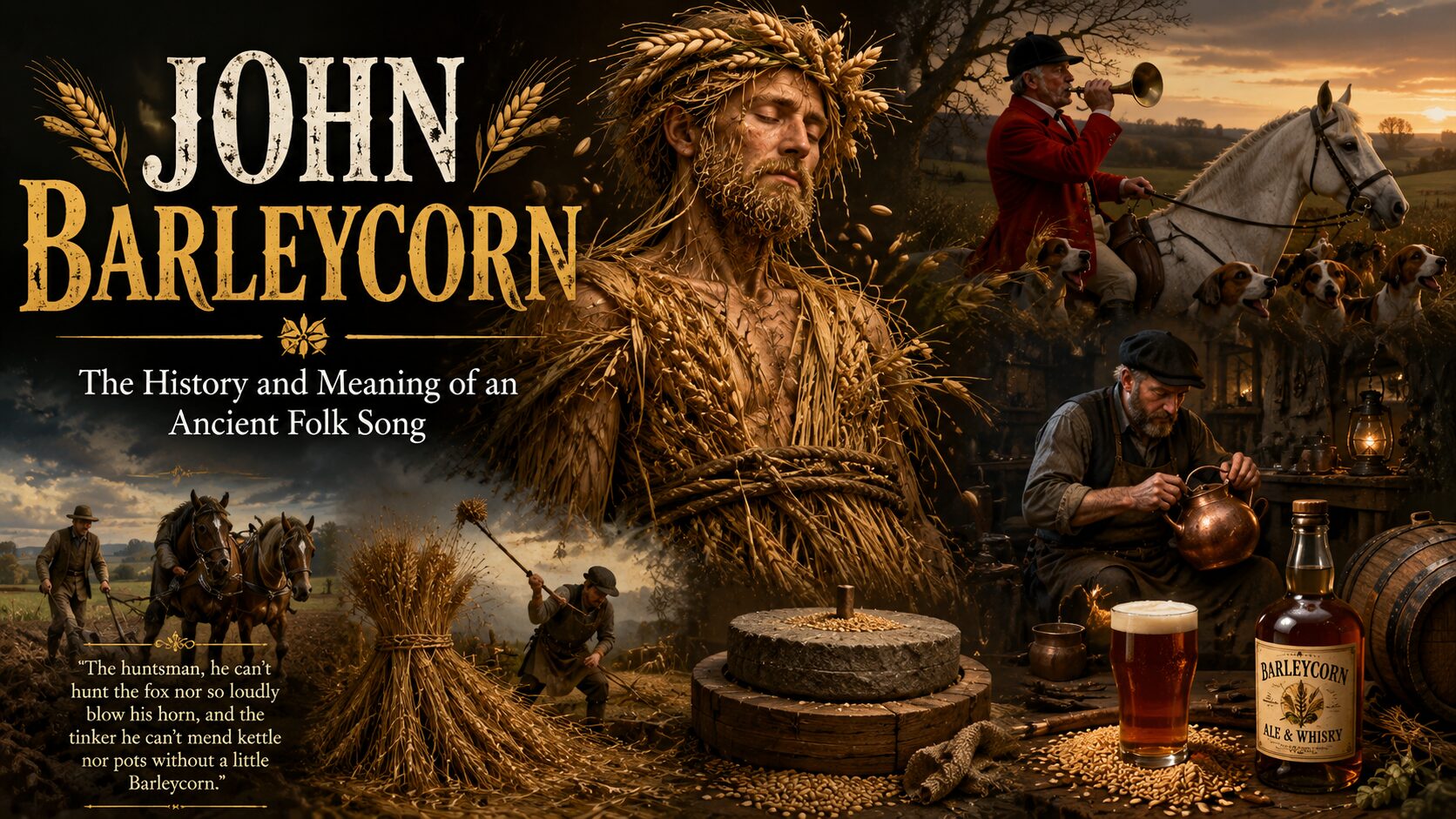
John Barleycorn: The History and Meaning Behind the Ancient Folk Song
Few traditional folk songs are as strange, haunting, and enduring as “John Barleycorn.” Passed down…
-
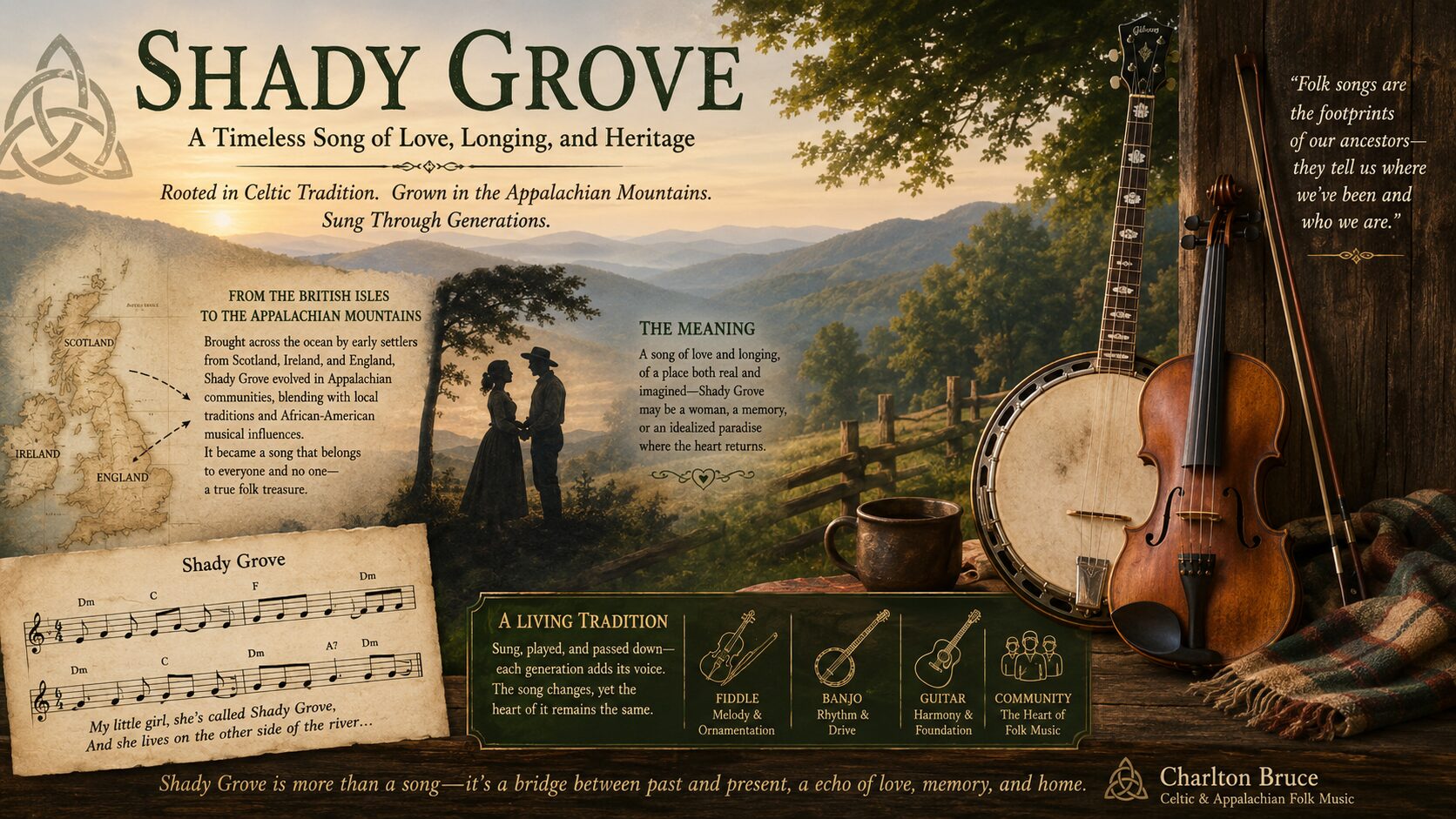
Shady Grove: A Folk Song Rooted in Celtic and Appalachian Tradition
The song “Shady Grove” stands as one of the most enduring and widely performed traditional…

