
The song “Shady Grove” stands as one of the most enduring and widely performed traditional folk songs in the Appalachian repertoire. Yet, its roots stretch back far deeper into the shared musical soil of the British Isles. In a show by Charlton Bruce, Celtic and Appalachian Folk Music, this traditional favorite becomes a living bridge between Celtic balladry and the evolving storytelling voice of the American mountains. Like many folk songs, it resists a single fixed origin, instead existing as a collection of variations shaped by generations of singers.
The Origins and Migration of the Song
The exact origins of “Shady Grove” are difficult to trace, as is common with many Appalachian folk songs. However, musicologists generally agree that it likely evolved from older British Isles ballads, brought to North America by early settlers from Scotland, Ireland, and England. In those traditions, melodies and lyrical fragments were passed orally, shifting form as they crossed oceans and generations.
In Appalachia, the song took on a distinctly new identity. Isolated mountain communities preserved and reshaped these inherited songs, blending them with African-American musical influences, including rhythmic phrasing and banjo techniques that would come to define Appalachian sound. As a result, the song is constantly adapting while retaining recognizable melodic DNA.
The Meaning Behind “Shady Grove”
Lyrically, it is most commonly associated with themes of love, courtship, and longing. Many versions describe a speaker expressing devotion to a beloved woman named Shady Grove, though interpretations vary widely. In some renditions, it is a literal woman; in others, she becomes symbolic of an idealized love or even a lost paradise.
This ambiguity is part of the song’s strength. Folk songs often operate in metaphor rather than narrative precision, allowing singers to project their own emotional landscapes onto the lyrics. In Appalachian traditions, where oral storytelling carries cultural memory, such songs become deeply personal yet universally recognizable.
The emotional tone of the song can shift dramatically depending on performance style. It can be mournful and slow, emphasizing longing and distance, or it can be lively and rhythmic, celebrating youthful desire and flirtation. This duality reflects the broader Celtic influence on Appalachian music, where joy and sorrow often coexist within the same melody.
Musical Structure and Appalachian Interpretation
Musically, this song is typically performed in a modal structure, often associated with Dorian or Mixolydian tonalities in traditional settings. This gives it a haunting yet accessible quality that suits both solo ballad singing and instrumental breakdowns.
In Appalachian banjo traditions, the song is especially prominent. The clawhammer style, in particular, has become closely associated with playing this song, giving it a driving, rhythmic pulse that contrasts with its lyrical themes of longing. Fiddle interpretations also vary widely, often emphasizing ornamentation and improvisation.
Cultural Legacy and Continuing Evolution
One of the most remarkable aspects of this beloved favorite is its persistence across time and geography. It has been recorded and performed by countless folk musicians, bluegrass bands, and revival artists, each adding their own interpretation. Despite this diversity, the song retains its core identity, a testament to the resilience of oral tradition.
In modern folk revival movements, the tune is often used as an entry point into Appalachian heritage. It connects contemporary audiences to older musical worlds, while still feeling immediate and emotionally accessible. This is particularly important in Celtic and Appalachian fusion traditions, where shared ancestry and migration stories are explored through music.
Shady Grove as a Folk Memory
Ultimately, the song is less a single song than a family of songs. Each version carries traces of the past while speaking to the present moment of performance. Its meaning is not fixed but continually recreated each time it is sung.
In the broader Celtic and Appalachian tradition, it stands as a reminder that folk music is not about ownership but about inheritance. Songs like this belong to everyone and no one, shaped by countless voices across generations.
Share Your Thoughts!
What do you think? Share your thoughts in the comments below! Interested in booking Charlton Bruce? Click here for more information and a quote!
Blog
This section provides an overview of the blog, showcasing a variety of articles, insights, and resources to inform and inspire readers.
-
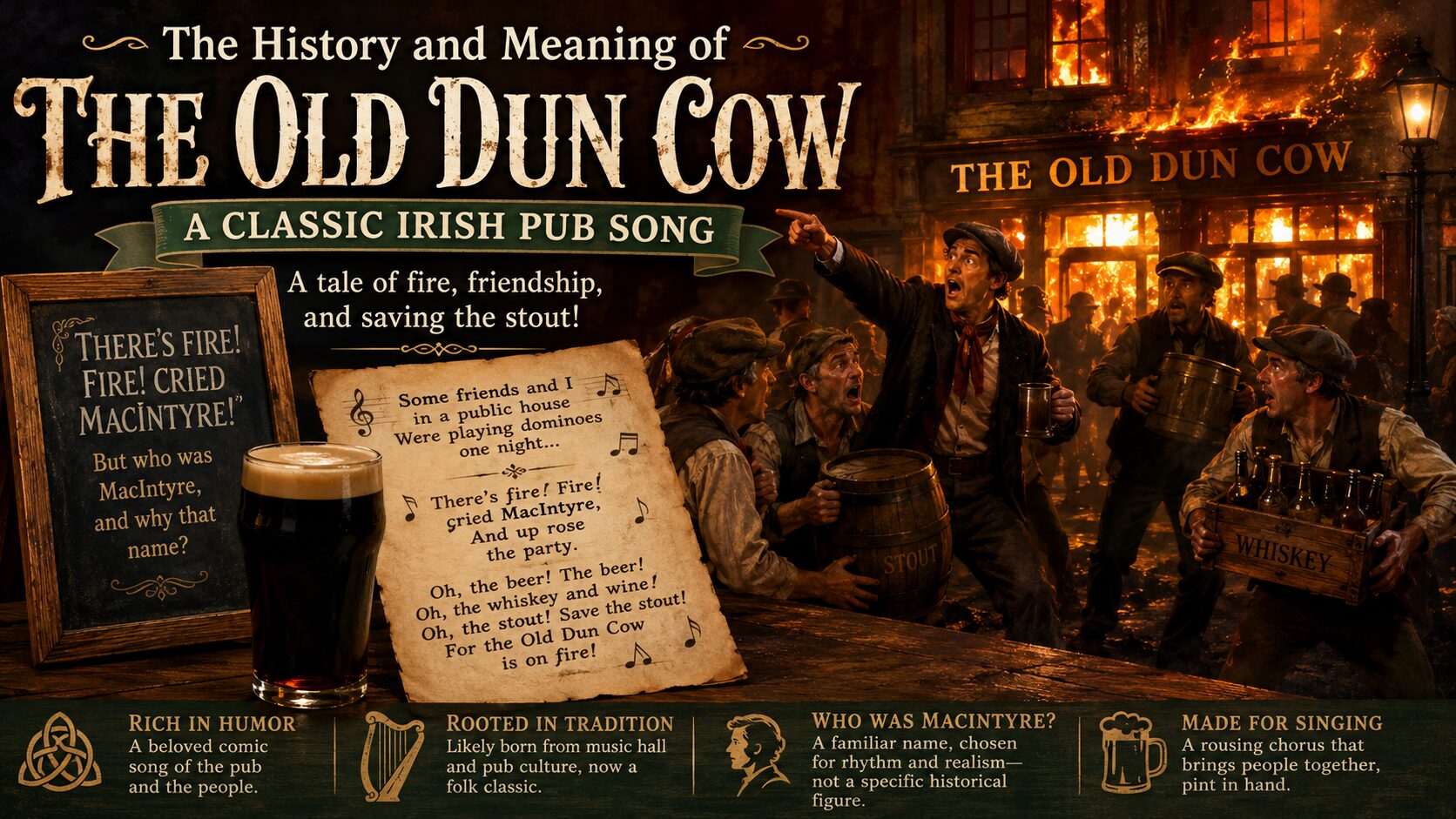
The “Old Dun Cow” Story, History, and Meaning
Few traditional drinking songs have survived with as much humor, chaos, and sing-along charm as…
-
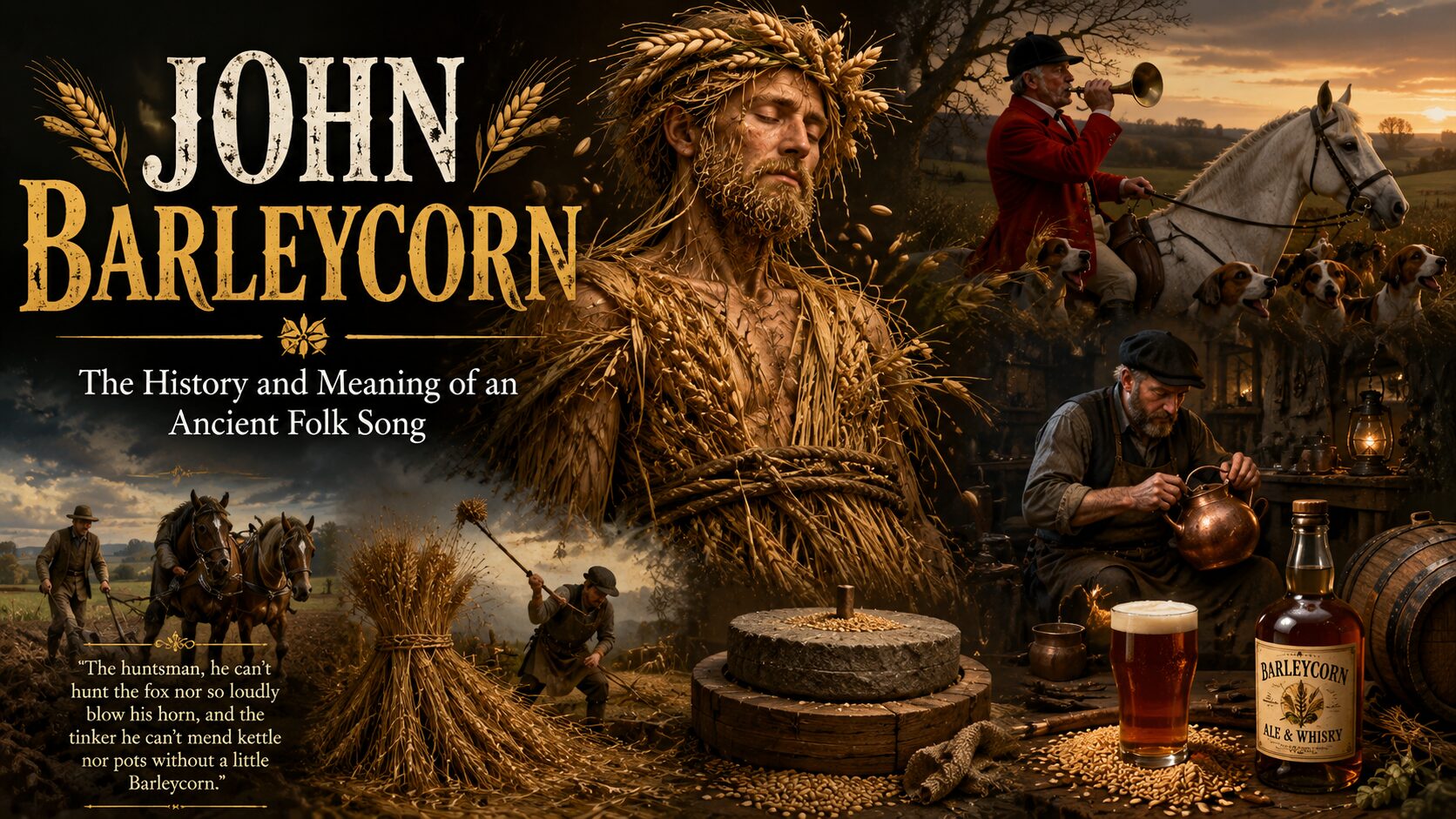
John Barleycorn: The History and Meaning Behind the Ancient Folk Song
Few traditional folk songs are as strange, haunting, and enduring as “John Barleycorn.” Passed down…
-
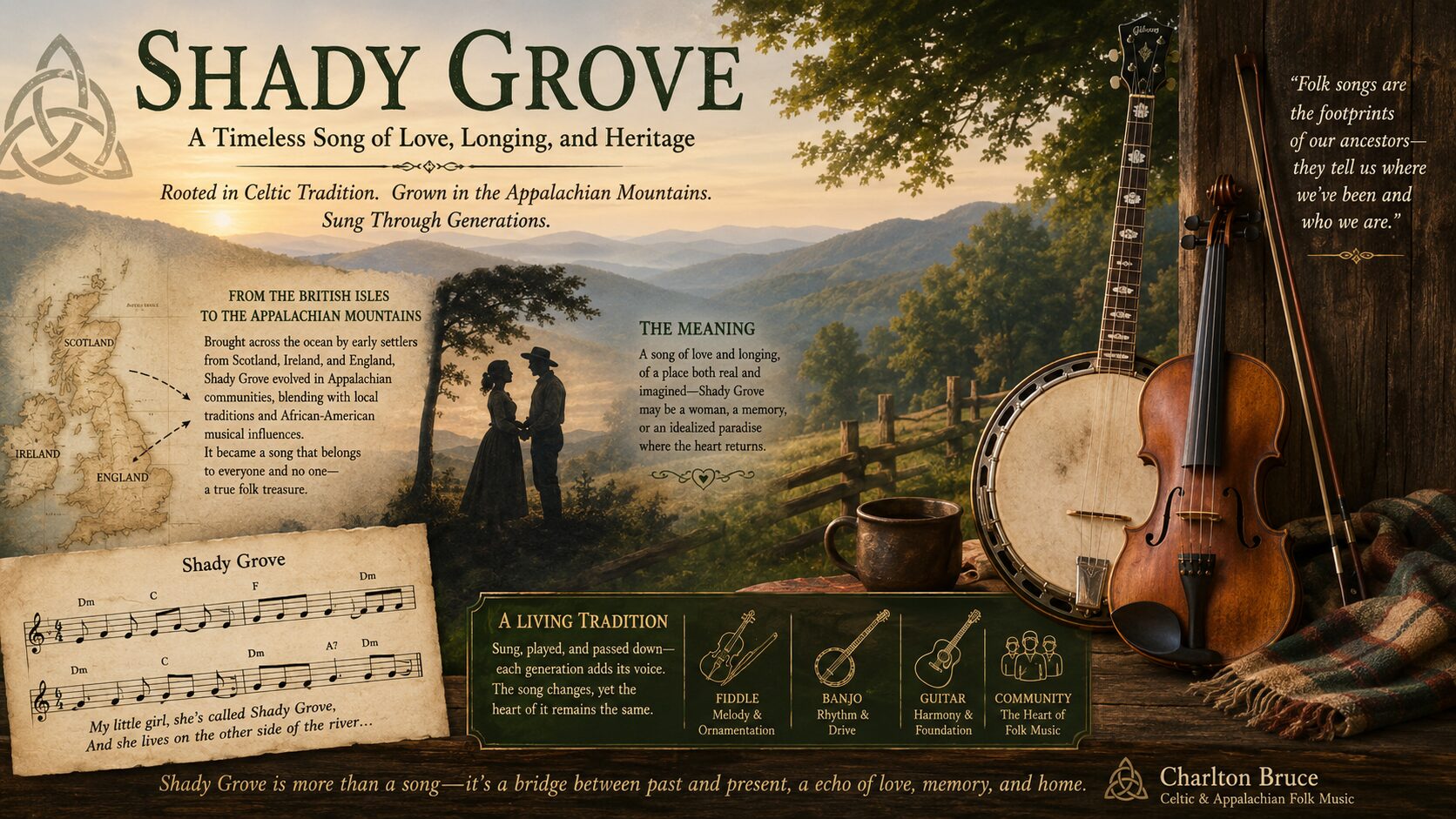
Shady Grove: A Folk Song Rooted in Celtic and Appalachian Tradition
The song “Shady Grove” stands as one of the most enduring and widely performed traditional…

